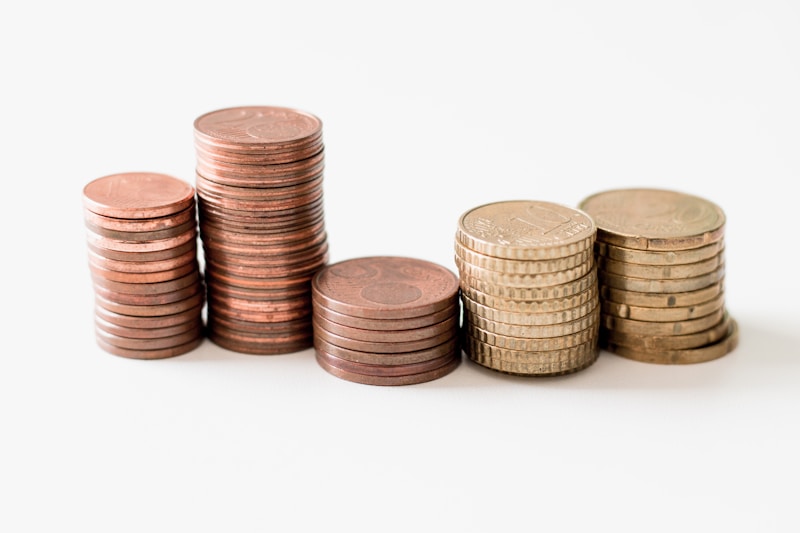
- Financial freedom starts with small, consistent habits rather than huge lump sums.
- Focus on controlling what you can: your monthly cash flow, saving targets, and debt priority.
- Always keep an emergency buffer to avoid relying on high-interest credit cards when unexpected bills arise.
You check your savings account and wonder: is this enough? Is it too little? Am I behind? Ahead? These questions nag at people all the time, and the internet gives frustratingly vague answers. Let's get specific. Here's a realistic look at how much money you should have saved based on your age, income, and goals — without the guilt trip.
The Quick Answer: 3-6 Months of Essential Expenses
At minimum, your savings should cover 3-6 months of your essential monthly expenses. Not your total spending — just the must-pays: rent/mortgage, utilities, food, insurance, transportation, and minimum debt payments. If your essentials cost $2,000/month, aim for $6,000-$12,000 in savings. This is your emergency fund — your financial safety net for job loss, illness, or any major disruption to your income.
Savings by Age (Realistic Benchmarks)
These aren't rules — they're guidelines to give you a rough idea of where you might want to be: By age 25: $1,000-$5,000. You're just starting out. Having any savings at this age puts you ahead of most. Focus on building your emergency fund. By age 30: $10,000-$20,000. Ideally, you have a full emergency fund plus some savings for goals like a car or home down payment. By age 35: $20,000-$40,000. Your emergency fund should be solid, and you should be saving for medium and long-term goals alongside retirement contributions. By age 40: $40,000-$80,000+ including retirement savings. By now, compound growth starts working seriously in your favor if you've been consistent. Behind these numbers? Don't panic. These are ideals. What matters is that you're saving consistently and making progress, regardless of where you are today.
It Depends on Your Situation
A single person with low expenses and a stable job needs less in savings than a family of four with a mortgage and variable income. Your "right" number depends on: Job stability: Freelancers and gig workers need larger emergency funds than salaried employees. Health needs: Ongoing medical expenses mean you need more cushion. Dependents: More people depending on your income = more savings needed. Debt level: High debt payments reduce what's available for savings but also increase the need for an emergency buffer.
Beyond Emergency Savings
Once your emergency fund is solid, your savings should serve specific goals: Short-term goals (1-2 years): Vacation, new furniture, car repair fund. Keep in a high-yield savings account. Medium-term goals (2-5 years): Down payment, wedding, career change fund. Consider CDs or I-Bonds for slightly better returns. Long-term goals (5+ years): Retirement, kids' education. These should be invested, not just saved, so they grow faster than inflation.
How to Catch Up If You're Behind
If your savings are below where you want them, don't despair. Here's how to catch up: Automate savings immediately — even $50/paycheck. Reduce one big expense (housing, car, subscriptions). Put all windfalls (tax refunds, bonuses) into savings. Pick up temporary extra income and save all of it. Increase your savings rate by $25 every few months. The math works in your favor if you're consistent. Even starting from zero, saving $300/month gets you to $3,600 in a year and $18,000 in five years — without counting interest.
The Most Important Number
Honestly? The most important savings number isn't a specific dollar amount. It's the one that lets you sleep at night. If you know you could handle a job loss, a medical bill, or a car breakdown without going into panic mode, your savings are probably in a good place. Financial peace of mind is personal. Some people feel secure with $5,000 saved. Others need $50,000. Both are valid.
Frequently Asked Questions
Is it bad if I'm 30 and have no savings?
It's not ideal, but it's not unusual either. Many people in their 30s are just starting to save seriously. The important thing is to start now. You have decades ahead of you. Consistency will get you where you need to be.
Should I count retirement accounts as savings?
Retirement accounts (401k, IRA) are long-term savings, but they shouldn't be counted as your emergency fund because they're not easily accessible without penalties. Keep your emergency savings separate and liquid.
How often should I check my savings progress?
Monthly is ideal. Check in once a month to see if you're on track. Adjust if needed. Don't obsess over daily balances — that just creates anxiety. Monthly reviews keep you aware without the stress. There's no magic number that guarantees financial security. But having clear benchmarks gives you something to work toward. Start with your emergency fund, build from there, and remember — any savings is better than none. You're doing better than you think.
Practical Action Steps for You Today
- Review Last Month’s Expenses: Audit your bank statement for recurring subscriptions you no longer use.
- Automate Your Savings: Set up a small automatic transfer of $5 to $20 into savings on payday.
- Track Debt Payoff: Use either the Debt Snowball or Avalanche method to stay motivated.
Frequently Asked Questions
How can I start saving if I live paycheck to paycheck?
Start small. Even saving $5 or $10 a week builds the psychological habit of saving. Automate the transfer immediately after getting paid so you never miss it.
What is the safest place to keep my emergency fund?
A High-Yield Savings Account (HYSA) is ideal because your money remains FDIC-insured, completely liquid, and earns significantly higher interest than traditional checking accounts.