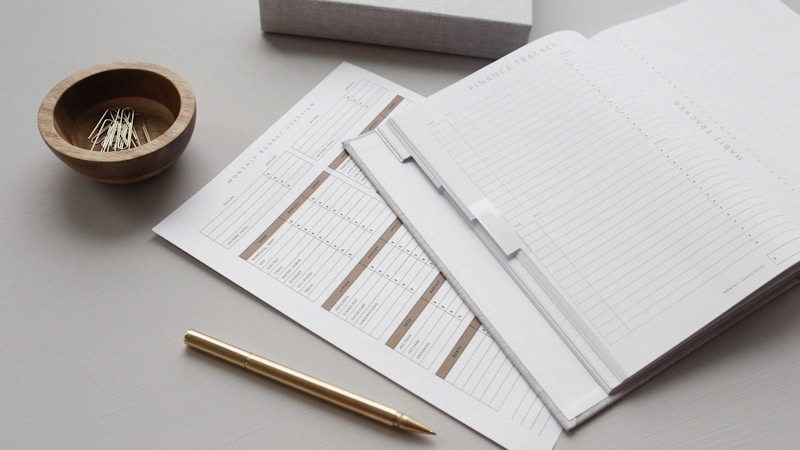
- Financial freedom starts with small, consistent habits rather than huge lump sums.
- Focus on controlling what you can: your monthly cash flow, saving targets, and debt priority.
- Always keep an emergency buffer to avoid relying on high-interest credit cards when unexpected bills arise.
If you've ever applied for a credit card, a car loan, or even rented an apartment, someone probably checked your credit score. But what exactly is this number, and why does it matter so much? Let me break it down for you in simple terms. No confusing jargon, no complicated math. Just a clear, honest explanation that actually makes sense.
A Credit Score Is Basically Your Financial Report Card
Think of your credit score like a grade in school. It tells lenders how responsible you are with money. The higher your score, the more trustworthy you look. The lower your score, the riskier you seem. Your credit score is a three-digit number, usually between 300 and 850. Most scoring models, like FICO and VantageScore, use this range. A score of 300 is the worst. A score of 850 is perfect. Most people fall somewhere in between. Lenders use this number to decide whether to approve your application. They also use it to set your interest rate. A higher score means lower rates. A lower score means you pay more — sometimes a lot more.
Where Does Your Credit Score Come From?
Your credit score isn't something you create yourself. It's calculated by credit bureaus using information from your credit report. There are three major credit bureaus in the United States: Equifax, Experian, and TransUnion. These bureaus collect data about your borrowing history. They look at things like how many accounts you have, whether you pay on time, how much debt you carry, and how long you've been using credit. Then they plug all that information into a formula and out comes your score. It's updated regularly, so it can change from month to month.
The Five Factors That Determine Your Score
Your credit score is based on five main factors. Each one carries a different weight.
Payment History (35%)
This is the biggest factor. Do you pay your bills on time? Even one late payment can hurt your score. Paying on time, every time, is the single best thing you can do for your credit.
Credit Utilization (30%)
This is how much of your available credit you're actually using. If you have a credit card with a $1,000 limit and you've charged $300, your utilization is 30%. Experts recommend keeping this below 30%, and ideally below 10%.
Length of Credit History (15%)
The longer your credit history, the better. This is why people sometimes keep old credit cards open even if they don't use them. A longer history shows lenders you have experience managing credit.
Credit Mix (10%)
Lenders like to see that you can handle different types of credit. This includes credit cards, car loans, student loans, and mortgages. Having a mix shows you're versatile with money management.
New Credit Inquiries (10%)
Every time you apply for new credit, a hard inquiry appears on your report. Too many inquiries in a short period can lower your score. It makes you look desperate for credit.
What's Considered a Good Credit Score?
Here's a general breakdown of credit score ranges: 300-579 is considered poor. You'll have trouble getting approved for most credit products, and if you do, the interest rates will be very high. 580-669 is fair. You can get approved for some products, but you won't get the best terms. 670-739 is good. Most lenders will approve you, and you'll get decent interest rates. 740-799 is very good. You'll qualify for better rates and terms than most people. 800-850 is excellent. You'll get the best rates and terms available.
Why Should You Care About Your Credit Score?
Your credit score affects more than just loan approvals. It can impact your insurance rates, your ability to rent an apartment, and even job opportunities. Some employers check credit as part of the hiring process. A good credit score can save you thousands of dollars over your lifetime. On a 30-year mortgage, even a small difference in interest rate can mean tens of thousands of dollars in extra payments.
How to Check Your Credit Score
You can check your credit score for free through many banks and credit card companies. You're also entitled to one free credit report per year from each bureau through AnnualCreditReport.com. Checking your own credit score is a soft inquiry. It does not hurt your score. So check it regularly. Knowing where you stand is the first step to improving it.
Common Questions About Credit Scores
Does checking my own credit score lower it?
No. When you check your own score, it's called a soft inquiry. Soft inquiries don't affect your score at all. Only hard inquiries from lenders can impact your score.
How long does it take to build a credit score?
If you're starting from scratch, it typically takes about six months of credit activity to generate your first score. Building a good score takes longer — usually a year or more of responsible credit use.
Can I have more than one credit score?
Yes. You actually have multiple credit scores. Different scoring models and different credit bureaus may calculate slightly different numbers. That's perfectly normal.
The Bottom Line
Your credit score is one of the most important numbers in your financial life. It affects how much you pay for borrowing, where you can live, and sometimes even where you can work. The good news is that you have control over it. Pay your bills on time, keep your credit card balances low, and avoid opening too many new accounts at once. These simple habits will help you build and maintain a strong credit score over time. Start paying attention to your score today. Even small improvements can make a big difference in your financial future.
Practical Action Steps for You Today
- Review Last Month’s Expenses: Audit your bank statement for recurring subscriptions you no longer use.
- Automate Your Savings: Set up a small automatic transfer of $5 to $20 into savings on payday.
- Track Debt Payoff: Use either the Debt Snowball or Avalanche method to stay motivated.
Frequently Asked Questions
How can I start saving if I live paycheck to paycheck?
Start small. Even saving $5 or $10 a week builds the psychological habit of saving. Automate the transfer immediately after getting paid so you never miss it.
What is the safest place to keep my emergency fund?
A High-Yield Savings Account (HYSA) is ideal because your money remains FDIC-insured, completely liquid, and earns significantly higher interest than traditional checking accounts.