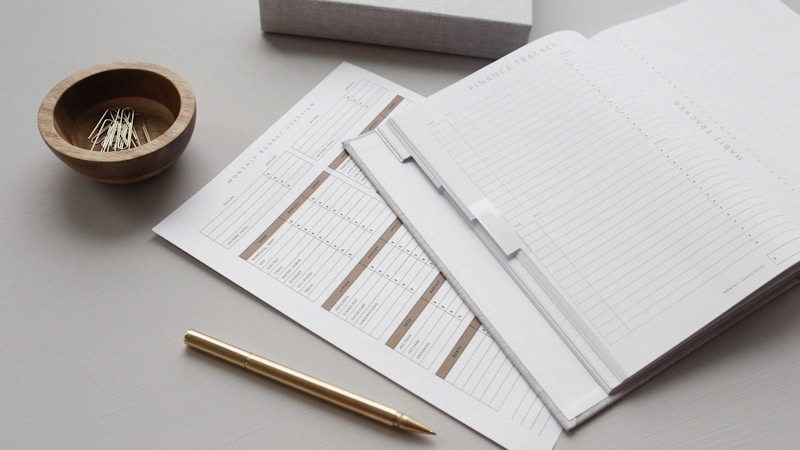

- Financial freedom starts with small, consistent habits rather than huge lump sums.
- Focus on controlling what you can: your monthly cash flow, saving targets, and debt priority.
- Always keep an emergency buffer to avoid relying on high-interest credit cards when unexpected bills arise.
Your credit score is just a number, right? How much can a three-digit figure really matter? A lot, as it turns out. Your credit score touches almost every major financial decision in your life. And its impact goes far beyond just loan approvals.
Your Credit Score Affects Your Interest Rates
This is the most obvious impact. When you borrow money — for a car, a home, a credit card — your interest rate depends heavily on your credit score. The difference is enormous. Someone with a 760 credit score might get a mortgage at 6.5% interest. Someone with a 620 score might pay 8.5% for the exact same loan. On a $250,000, 30-year mortgage, that 2% difference in interest rate means about $135,000 more in total interest paid over the life of the loan. That's the cost of having a lower credit score on just one loan. Now multiply that across car loans, personal loans, and credit card interest rates. Over a lifetime, a good credit score can save you hundreds of thousands of dollars.
Housing — Renting and Buying
Whether you're buying or renting, your credit score matters. For buying, your score determines whether you qualify for a mortgage and what rate you'll get. Some loan programs, like conventional mortgages, require a minimum score. FHA loans have lower requirements, but you'll still get better terms with a higher score. For renting, most landlords check credit scores as part of the application process. A low score might mean your application gets denied, or you might be asked to pay a larger security deposit. In competitive rental markets, a bad credit score can mean losing the apartment to someone with better credit.
Insurance Premiums
Many insurance companies use credit-based insurance scores to help set your premiums. Studies have shown a correlation between credit scores and the likelihood of filing insurance claims. If your credit score is low, you might pay significantly more for auto insurance and homeowners insurance. In some cases, the difference can be hundreds of dollars per year. Not all states allow this practice, but most do. It's another hidden cost of having poor credit.
Employment Opportunities
Some employers check credit reports as part of the hiring process. They don't see your actual credit score, but they can see your credit report, which shows your payment history, outstanding debts, and any negative marks. This is most common in jobs that involve handling money, access to sensitive information, or government security clearances. A credit report filled with late payments and collections might cost you a job opportunity. It's worth noting that employers need your written permission before checking your credit. But if you're competing against another candidate with better credit, it could tip the scales against you.
Starting a Business
If you want to start a business, your personal credit score matters — especially in the early stages. Most small business loans require a personal guarantee, which means the lender looks at your personal credit. A good credit score opens the door to business loans with reasonable terms. A poor score might mean you can't get funding at all, or you'll pay much higher rates, cutting into your profits before you even start.
Utility Deposits and Cell Phone Plans
When you sign up for utilities or a cell phone plan, the company often checks your credit. If your score is low, you might need to pay a deposit upfront. Utility deposits can be $100 to $300. Cell phone companies might require a deposit or steer you toward prepaid plans instead of contract plans with new phones. These deposits are usually refundable after a period of on-time payments, but they still tie up your cash.
Relationships and Stress
This one might surprise you. Financial stress is one of the leading causes of relationship problems. And credit issues are a major source of financial stress. When you have a good credit score, you have more financial options and less stress about money. You qualify for better rates, you don't worry about being denied for apartments or loans, and you have more control over your financial future. When you have a poor credit score, every financial decision becomes harder. You pay more for everything, you face more rejections, and the stress compounds over time.
How to Make Your Credit Score Work for You
Understanding why credit scores matter is the first step. The next step is taking action to improve yours. Pay every bill on time. Set up autopay if you need to. Keep your credit card balances low. Aim for under 30% of your credit limit. Don't close old accounts. A longer credit history helps your score. Limit new credit applications. Only apply when you genuinely need credit. Check your credit report for errors and dispute any mistakes.
Common Questions
At what point does my credit score stop mattering?
Once you're above about 760, you'll qualify for the best rates available. Improvements beyond that are nice but don't make a practical difference in what you're offered.
Can I live without caring about my credit score?
Technically, yes. If you pay cash for everything, including housing, a credit score isn't necessary. But for most people, that's not realistic.
How quickly can I improve my credit score?
Some changes, like paying down credit card balances, can improve your score within a month or two. Others, like building a longer credit history, take years.
The Bottom Line
Your credit score isn't just a number. It's a financial tool that affects your interest rates, housing options, insurance costs, job prospects, and overall quality of life. Taking care of your credit score is one of the smartest financial investments you can make. The returns show up in lower costs, more opportunities, and less financial stress throughout your life.
Practical Action Steps for You Today
- Review Last Month’s Expenses: Audit your bank statement for recurring subscriptions you no longer use.
- Automate Your Savings: Set up a small automatic transfer of $5 to $20 into savings on payday.
- Track Debt Payoff: Use either the Debt Snowball or Avalanche method to stay motivated.
Frequently Asked Questions
How can I start saving if I live paycheck to paycheck?
Start small. Even saving $5 or $10 a week builds the psychological habit of saving. Automate the transfer immediately after getting paid so you never miss it.
What is the safest place to keep my emergency fund?
A High-Yield Savings Account (HYSA) is ideal because your money remains FDIC-insured, completely liquid, and earns significantly higher interest than traditional checking accounts.